
A Journey Through Your Brain's Lobes
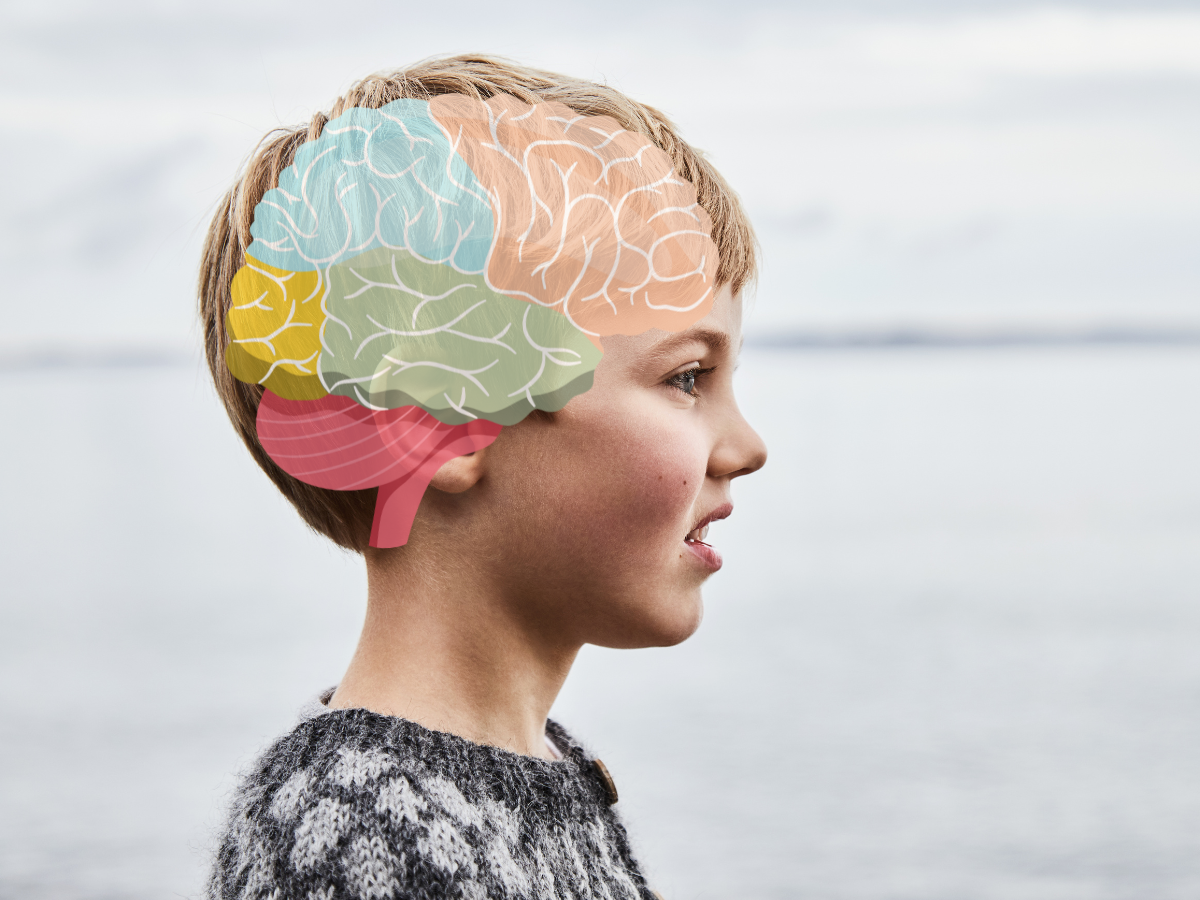
Our brain, a marvel of biological engineering, is the command centre for everything we think, feel, and do. This intricate organ, weighing about 1.4 kilograms, is responsible for our memories, emotions, movements, and even our personality. To better understand its incredible capabilities, scientists often divide the brain into distinct regions, known as lobes, each with specialised functions. Let's embark on a journey to explore these fascinating areas and uncover their roles in shaping our daily lives.
The Four Major Lobes of the Brain
The human brain is broadly divided into four main lobes, named after the skull bones that cover them: the frontal, parietal, temporal, and occipital lobes. While each lobe has primary responsibilities, it's crucial to remember that they work in a highly integrated and interconnected manner, with complex functions often requiring collaboration across multiple regions.
1. The Frontal Lobe: The Brain's Executive Centre
Located at the front of the brain, just behind your forehead, the frontal lobe is often considered the 'executive centre' of the brain. It plays a pivotal role in higher-level cognitive functions, making us uniquely human. These functions include [1]:
• Decision-making and Problem-solving: Planning, judgment, and evaluating consequences.
• Emotional Regulation: Managing and expressing emotions appropriately.
• Personality and Social Behaviour: Shaping who we are and how we interact with others.
• Voluntary Movement: Initiating and controlling conscious movements through the motor cortex.
• Language Production: Specifically, Broca's area, crucial for speech articulation.
Damage to the frontal lobe can significantly impact an individual's personality, decision-making abilities, and social conduct, highlighting its critical role in complex human behaviour [1].
2. The Parietal Lobe: Processing Our World
Situated behind the frontal lobe and above the temporal lobe, the parietal lobe is primarily responsible for processing sensory information from the body. It helps us make sense of the world around us by integrating various sensations [1]:
• Spatial Awareness and Navigation: Understanding where our body is in space and navigating our environment.
• Touch, Temperature, and Pain Perception: Interpreting sensory input from the skin.
• Integration of Sensory Information: Combining visual, auditory, and tactile information.
• Numerical Cognition: Involved in mathematical processing.
This lobe allows us to feel the warmth of the sun, recognise objects by touch, and understand spatial relationships, which are fundamental to our interaction with the environment.
3. The Temporal Lobe: Hearing, Memory, and Emotion
Found beneath the parietal lobe and behind the frontal lobe, the temporal lobe is vital for auditory processing, memory formation, and emotional responses. Its key functions include [1]:
• Auditory Processing: Interpreting sounds, including speech and music, via the auditory cortex.
• Memory Formation: Particularly the hippocampus, which is crucial for converting short-term memories into long-term ones.
• Emotional Processing: The amygdala, located within the temporal lobe, plays a significant role in fear and other emotional responses.
• Language Comprehension: Wernicke's area, essential for understanding spoken and written language.
Disruptions to the temporal lobe can affect hearing, memory recall, and emotional regulation, underscoring its diverse and essential roles.
4. The Occipital Lobe: The Visual Centre
Positioned at the very back of the brain, the occipital lobe is almost exclusively dedicated to processing visual information. It's where our brain interprets what our eyes see [1]:
• Visual Perception: Receiving and interpreting visual data from the eyes.
• Colour Recognition: Distinguishing between different colours.
• Spatial Visual Processing: Understanding the location and movement of objects.
Without a functioning occipital lobe, we would be unable to make sense of the visual world, even if our eyes were perfectly healthy. It transforms raw visual input into meaningful images.
The Interconnected Brain
While we've discussed each lobe individually, it's imperative to reiterate that the brain operates as a highly integrated network. No single lobe works in isolation; complex tasks like reading, driving, or having a conversation require seamless communication and collaboration across multiple lobes. For instance, reading involves the occipital lobe for visual input, the temporal lobe for language comprehension, and the frontal lobe for attention and decision-making [2].
Understanding the basic functions of each brain lobe provides a foundational insight into the incredible complexity of the human mind. It highlights how different regions contribute to our overall cognitive abilities and how their harmonious operation allows us to navigate and experience the world.
If you would like to learn more about your own brain function, you can make a booking for Brain Mapping at our psychology clinic in Tweed Heads. Call our friendly staff today.
References
[1] Queensland Brain Institute (QBI). (n.d.). Lobes of the brain. Retrieved from https://qbi.uq.edu.au/brain/brain-anatomy/lobes-brain
[2] Cleveland Clinic. (2022, May 23). Cerebral Cortex: What It Is, Function & Location. Retrieved from https://my.clevelandclinic.org/health/articles/23073-cerebral-cortex